
Description
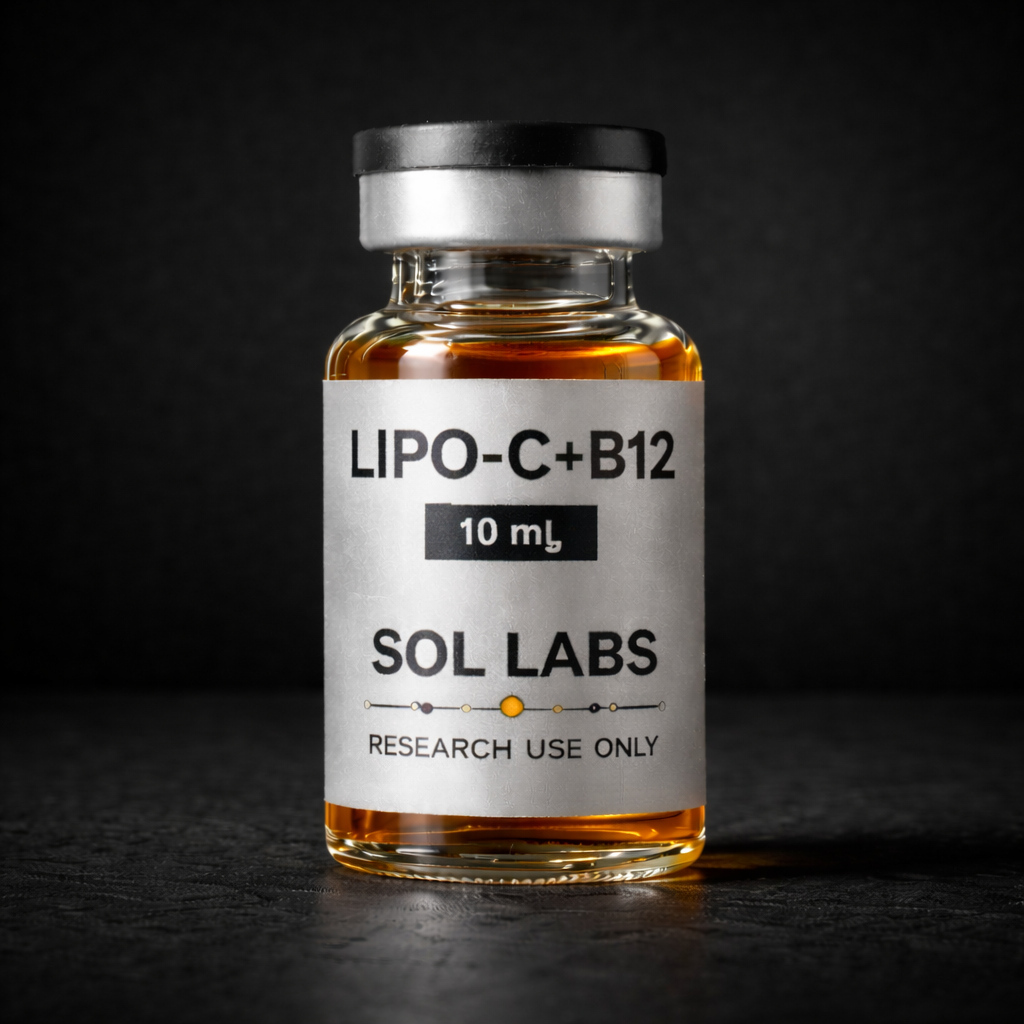
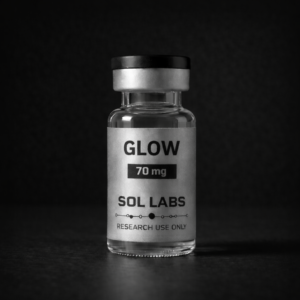
Lipo-C B12 is a specialized synergistic research blend consisting of lipotropic compounds and Methylcobalamin (Vitamin B12). This formulation is designed for laboratory investigation into metabolic acceleration, fat cell emulsification (lipolysis), and cellular energy production. The blend typically incorporates Methionine, Inositol, and Choline (MIC) alongside Vitamin B12 to study their collective impact on hepatic lipid clearance and methyl-donor pathways.
-
Purity: >99% (Pharmaceutical Grade Components)
-
Format: Ready-to-use solution or Lyophilized Powder
-
Active Components: Methionine, Inositol, Choline, Methylcobalamin
-
Research Target: Hepatic Lipid Metabolism & Mitochondrial Energy Flux
The Lipo-C B12 complex is utilized in metabolic research to study the “Lipotropic Effect”—the export of fat from the liver. Methionine acts as an essential amino acid for lipid processing, Inositol aids in the transport of fats through the bloodstream, and Choline is a precursor to neurotransmitters and cell membrane integrity. The addition of Methylcobalamin (B12) serves as a co-factor in the methionine synthase reaction, facilitating the conversion of homocysteine to methionine, which is a critical pathway in cellular detoxification and DNA methylation.
Research Observed Outcomes
Data from nutritional science and metabolic research highlight the following physiological impacts in test models:
-
Accelerated Lipolysis: Research suggests the MIC component facilitates the breakdown of adipose tissue by increasing the production of lecithin in the liver, aiding in fat emulsification.
-
Hepatic Fat Reduction: Studies on lipotropic compounds demonstrate a significant reduction in intrahepatic lipid accumulation, particularly in high-fat diet models.
-
Enhanced ATP Production: Methylcobalamin has been shown to optimize mitochondrial efficiency, leading to higher measurable ATP levels in cellular assays.
-
Homocysteine Regulation: Research indicates that the B12/Methionine synergy effectively lowers homocysteine levels, providing a model for studying cardiovascular and neuroprotective mechanisms.
-
Cellular Detoxification: Methionine acts as a precursor to glutathione, the body’s primary antioxidant, which is investigated for its role in protecting cells from oxidative stress during high metabolic activity.
Key Linked Studies & Research References
-
Lipotropic Mechanisms: Selavry, A. et al. “The role of lipotropic factors in the prevention and treatment of fatty liver.” Journal of Nutritional Biochemistry. This study details how MIC components prevent fat accumulation.
-
B12 & Methionine Cycle: Finkelstein, J.D. (1990). “Methionine metabolism in mammals.” Journal of Nutritional Biochemistry. Explains the critical synergy between B12 and Methionine for cellular health.
-
Choline & Lipid Transport: Zeisel, S.H. (2006). “Choline: critical role during fetal development and dietary requirements in adults.” Annual Review of Nutrition. Discusses Choline’s necessity for VLDL secretion from the liver.
-
Methylcobalamin Energy Flux: Kelly, G. (1997). “The Coenzyme Forms of Vitamin B12: Their Role in Metabolism.” Alternative Medicine Review.
Storage & Stability Protocols
To maintain the stability of the vitamin and amino acid components, the following storage guidelines are recommended:
-
Storage (Unopened): Store at room temperature (20°C – 25°C) and protect from direct sunlight. High-grade B12 is photosensitive and can degrade if exposed to UV light.
-
Reconstituted/Opened Stability: Once the seal is broken or the product is reconstituted, the solution typically maintains stability for 6–8 weeks when refrigerated (2°C – 8°C).
-
Light Protection: Always store in amber-colored vials or a dark environment to prevent the oxidation of Methylcobalamin.
-
Handling: Avoid freezing the solution, as this can cause the precipitation of certain lipotropic components.
⚠️ STRICT COMPLIANCE NOTICE: FOR LABORATORY RESEARCH ONLY This product is a chemical substance intended strictly for in vitro or laboratory experimentation. Any form of ingestion, injection, or topical application to humans or animals is STRICTLY PROHIBITED. This product is not a drug, food, or cosmetic and has not been approved by the FDA for any medical application. Handling should only be performed by qualified professionals in a controlled environment.
Reviews
There are no reviews yet.