
Description
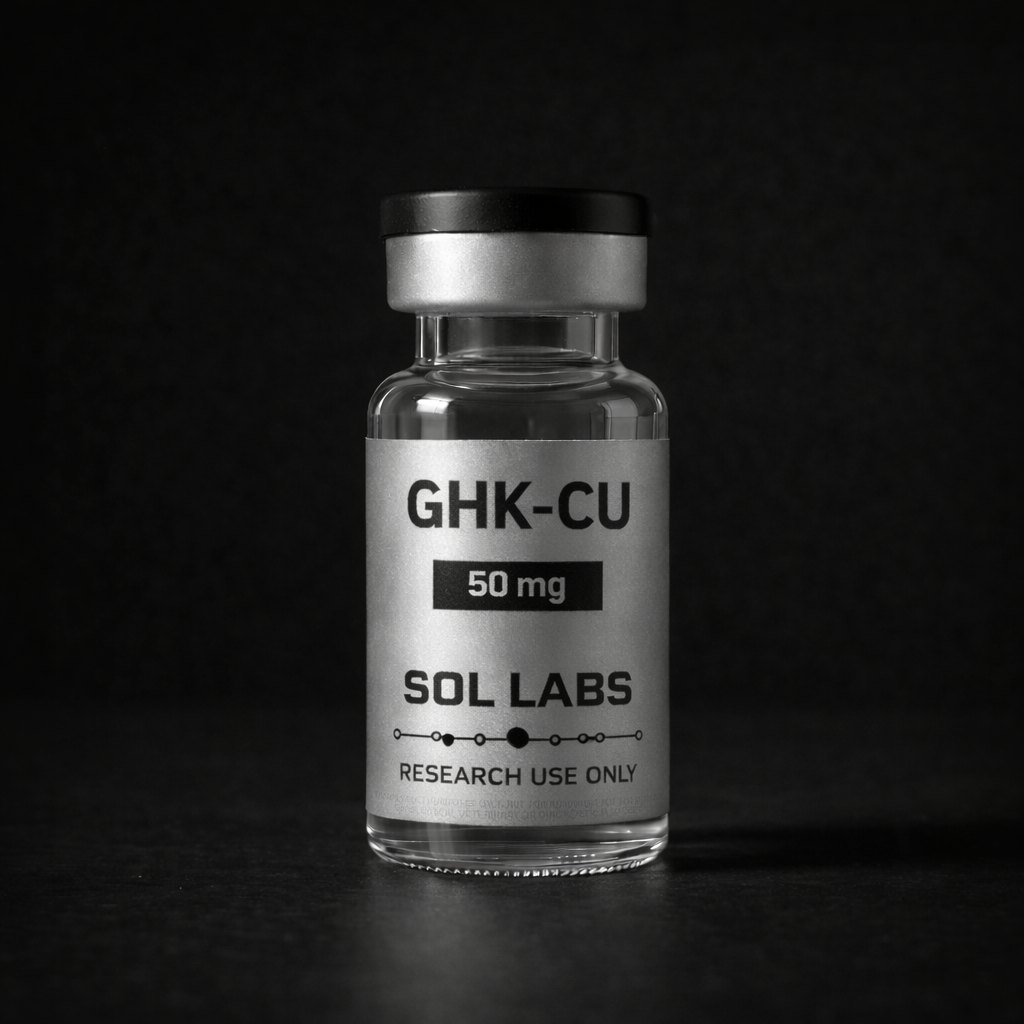
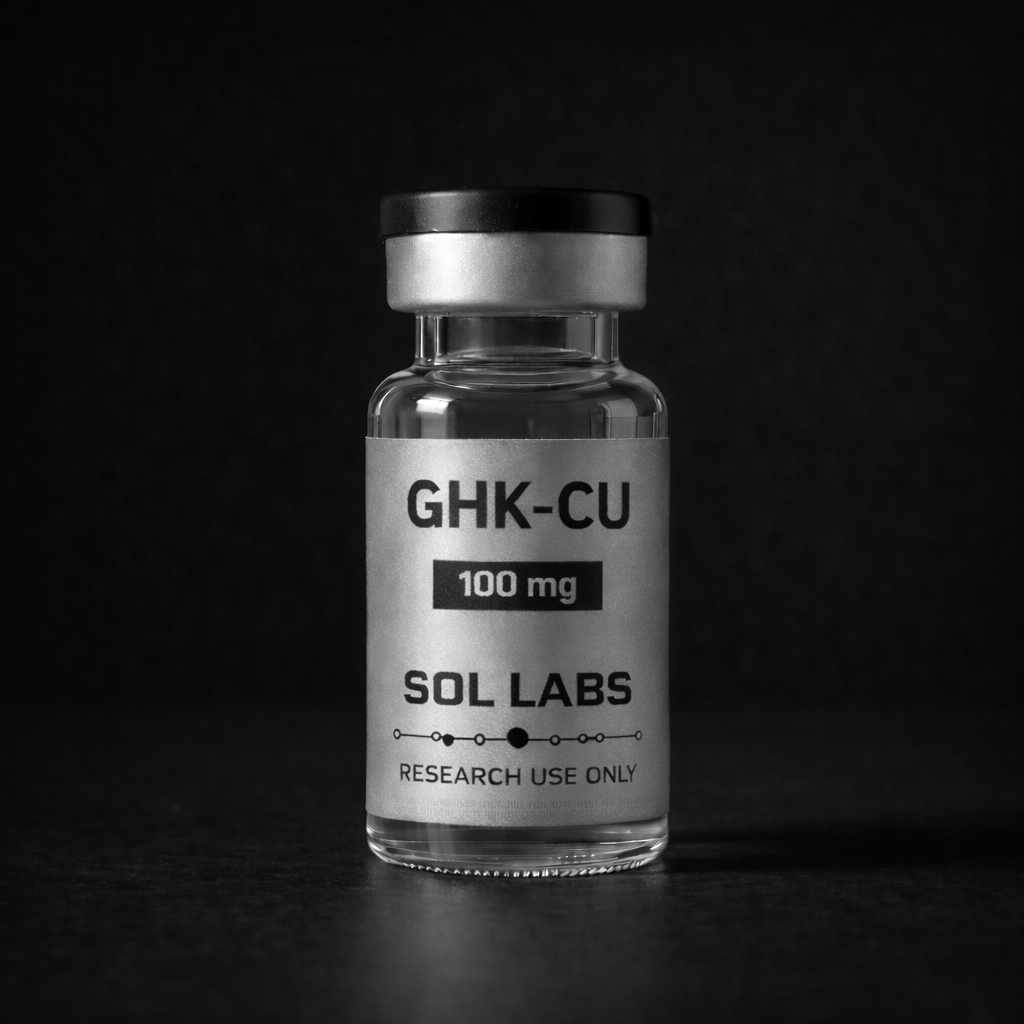
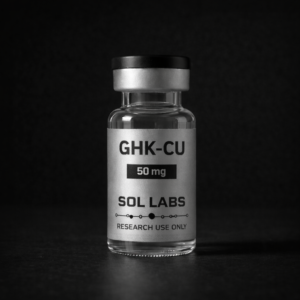
GHK-CU (Glycyl-L-Histidyl-L-Lysine Copper) is a naturally occurring copper-complexed tripeptide (Glycyl-L-Histidyl-L-Lysine) originally isolated from human plasma. It is a cornerstone of regenerative biochemistry, studied extensively for its ability to modulate over 4,000 human genes. This research-grade compound is used to investigate the acceleration of wound healing, the stimulation of collagen and elastin synthesis, and the restoration of youthful gene expression in aged or damaged tissues.
-
Purity: >99% (HPLC Tested)
-
Format: Lyophilized Blue Crystal Powder
-
Molecular Formula: C14H24CuN6O4
-
Research Target: Gene Expression Modulation & Extracellular Matrix (ECM) Repair
GHK-Cu functions as both a signal peptide and a carrier peptide. In laboratory research, it is observed to transport vital copper ions into cells while simultaneously signaling for the production of core structural proteins. As biological levels of GHK-Cu decline significantly with age—dropping by approximately 60% between ages 20 and 60—it has become a primary subject for studies involving cellular longevity, anti-senescence, and the reversal of photodamage.
Research Observed Outcomes
Data from nearly five decades of clinical and laboratory research highlight the following physiological impacts in test models:
-
70% Increase in Collagen Synthesis: In vitro studies demonstrate that GHK-Cu stimulates fibroblasts to significantly ramp up the production of Type I and Type III collagen.
-
30–50% Faster Wound Closure: Research in animal models (rats, rabbits, and pigs) consistently shows accelerated epithelization and wound contraction compared to controls.
-
Genomic Reprogramming: GHK-Cu has been shown to reset the gene expression of aged cells to a more youthful state, specifically upregulating DNA repair and antioxidant enzymes.
-
Follicle Stimulation: Research suggests GHK-Cu may promote hair follicle enlargement and extend the anagen (growth) phase by improving microcirculation and inhibiting TGF-beta.
-
Anti-Inflammatory & Antioxidant Activity: The peptide suppresses pro-inflammatory cytokines such as TNF-alpha and IL-1, while increasing levels of superoxide dismutase (SOD).
Key Linked Studies & Research References
-
Genomic Modulation: Pickart, L., et al. (2015). “GHK Peptide as a Natural Modulator of Multiple Cellular Pathways in Skin Regeneration.” BioMed Research International.
-
Wound Healing: Sikiric, P., et al. (2010). “Gastric pentadecapeptide BPC 157 promotes corneal epithelial defects healing in rats.” (Referencing the broader scope of GHK-Cu in coordinated repair).
-
Anti-Aging Review: Pickart, L., & Margolina, A. (2018). “Regenerative and Protective Actions of the GHK-Cu Peptide in Light of the New Gene Data.” International Journal of Molecular Sciences.
-
DNA Repair: Khavinson, V., et al. (2003). “Peptides, Genome, and Aging.” (Discussing the epigenetic impact of tripeptides like GHK).
Storage & Stability Protocols
To maintain the integrity of the copper-peptide complex, the following storage guidelines are recommended:
-
Lyophilized Powder: Store at -20°C for long-term stability (up to 2 years). Stable at room temperature for short-term transit.
-
Reconstituted Stability (Bacteriostatic Water): Once reconstituted, the solution is stable for 30 days when refrigerated (2°C – 8°C).
-
pH Sensitivity: GHK-Cu is most stable at a neutral pH (7.0–8.0). Acidic conditions (pH < 6.0) can cause the copper ion to dissociate from the peptide, resulting in a loss of bioactivity.
-
Handling: Avoid mixing with acidic active ingredients (such as Vitamin C/Ascorbic Acid) in the same solution, as this will destabilize the complex.
⚠️ STRICT COMPLIANCE NOTICE: FOR LABORATORY RESEARCH ONLY This product is a chemical substance intended strictly for in vitro or laboratory experimentation. Any form of ingestion, injection, or topical application to humans or animals is STRICTLY PROHIBITED. This product is not a drug, food, or cosmetic and has not been approved by the FDA for any medical application. Handling should only be performed by qualified professionals in a controlled environment.
Reviews
There are no reviews yet.