
Description
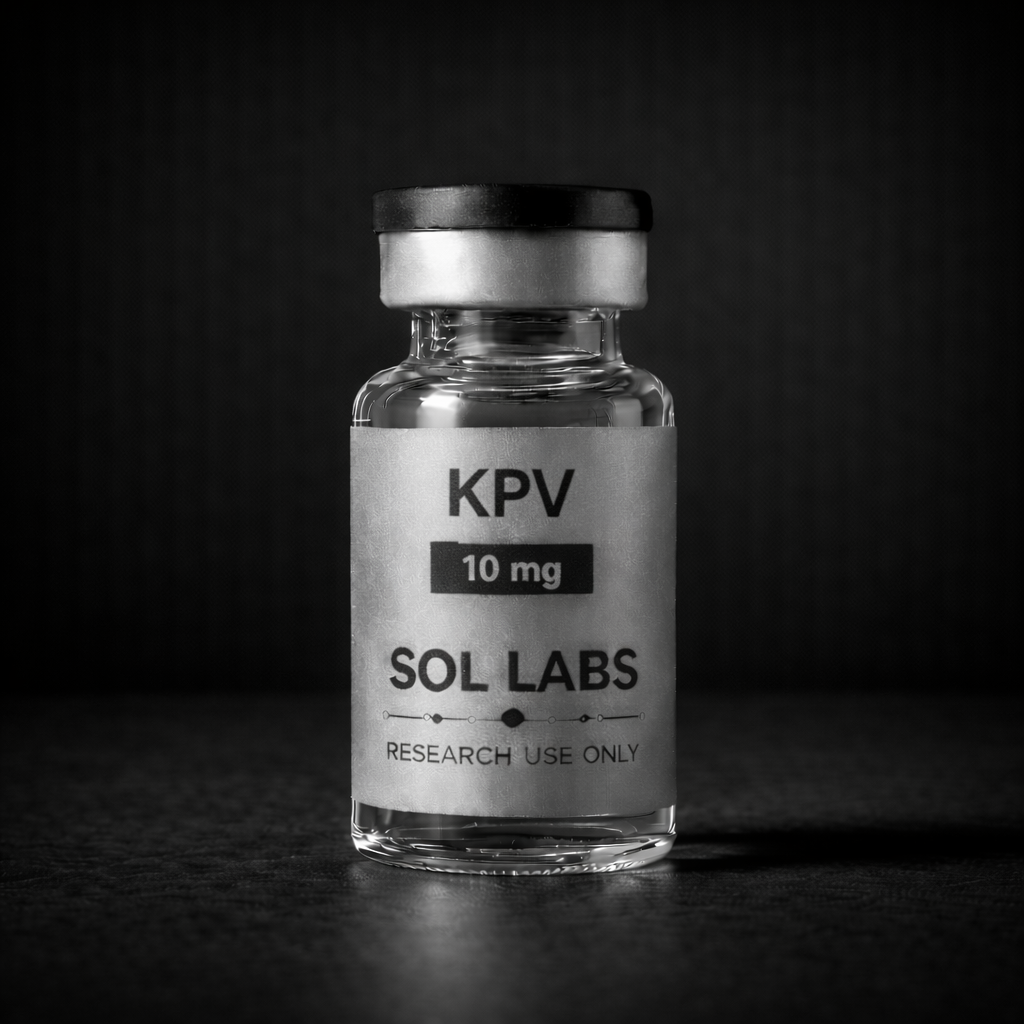
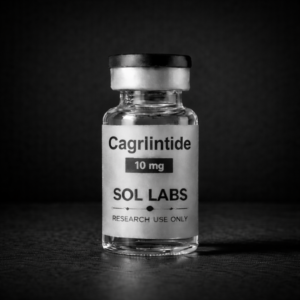
KPV (Lysine–Proline–Valine) – 10mg
KPV is a synthetic tripeptide fragment derived from the C-terminal sequence of alpha-melanocyte stimulating hormone (α-MSH). It is studied in laboratory environments for its selective anti-inflammatory signaling properties without activating melanocortin receptor pathways associated with pigmentation.
This peptide is engineered strictly for laboratory investigation into cytokine modulation, NF-kB pathway regulation, and epithelial barrier research.
Purity: >99% (HPLC Tested)
Format: Lyophilized White Powder
Molecular Formula: C16H28N4O4
Research Target: Cytokine Modulation & NF-kB Signaling
KPV is recognized for retaining the anti-inflammatory properties of α-MSH while minimizing melanocortin receptor activation. In research models, it has demonstrated selective regulation of inflammatory cytokines such as TNF-alpha, IL-6, and IL-1 beta, making it a focused subject in immune response and epithelial repair studies.
Research Observed Outcomes
Data from immunological and epithelial research programs highlight the following findings in controlled laboratory models:
Cytokine Suppression:
KPV has been shown to reduce pro-inflammatory cytokine production in cellular inflammation models.
NF-kB Pathway Regulation:
Laboratory investigations demonstrate downregulation of NF-kB activation under inflammatory stress conditions.
Epithelial Barrier Research:
Studies indicate improved intestinal epithelial integrity markers in experimental colitis models.
Reduced Oxidative Stress Signaling:
Research suggests decreased inflammatory oxidative cascade activation in tissue injury models.
Dermatological Inflammation Models:
Preclinical studies have observed modulation of inflammatory responses in skin cell cultures.
Key Linked Studies & Research References
Alpha-MSH & Inflammation Research:
Lipton, J.M., et al. (1999). “Anti-inflammatory effects of alpha-MSH peptides.” Endocrine Reviews.
KPV Fragment Studies:
Getting, S.J., et al. (2003). “KPV and anti-inflammatory signaling pathways.” Journal of Immunology.
NF-kB Modulation Research:
Manna, S.K., et al. (1998). “Regulation of NF-kB activation.” Journal of Biological Chemistry.
Epithelial Barrier Studies:
Maaser, C., et al. (2006). “KPV peptide effects in intestinal inflammation models.” Gastroenterology Research.
Storage & Stability Protocols
To preserve peptide integrity and structural stability:
Lyophilized Powder:
Store at -20°C for long-term stability. Stable at room temperature for short-term transit.
Reconstituted Stability (Bacteriostatic Water):
When reconstituted under sterile laboratory conditions, solution stability is typically maintained for 4–6 weeks under refrigeration (2°C – 8°C).
Reconstituted Stability (Sterile Water):
Stability is significantly shorter, typically 7–12 days due to absence of antimicrobial preservatives.
Handling:
Avoid repeated freeze-thaw cycles. Protect from excessive heat, light, and agitation during reconstitution.
⚠️ STRICT COMPLIANCE NOTICE: FOR LABORATORY RESEARCH ONLY
This product is a chemical research peptide intended strictly for in vitro or laboratory experimentation. Any form of ingestion, injection, or topical application to humans or animals is STRICTLY PROHIBITED. This product is not a drug, food, or cosmetic and has not been approved by the FDA for any medical application. Handling must be performed by qualified professionals in controlled laboratory environments.
Reviews
There are no reviews yet.